
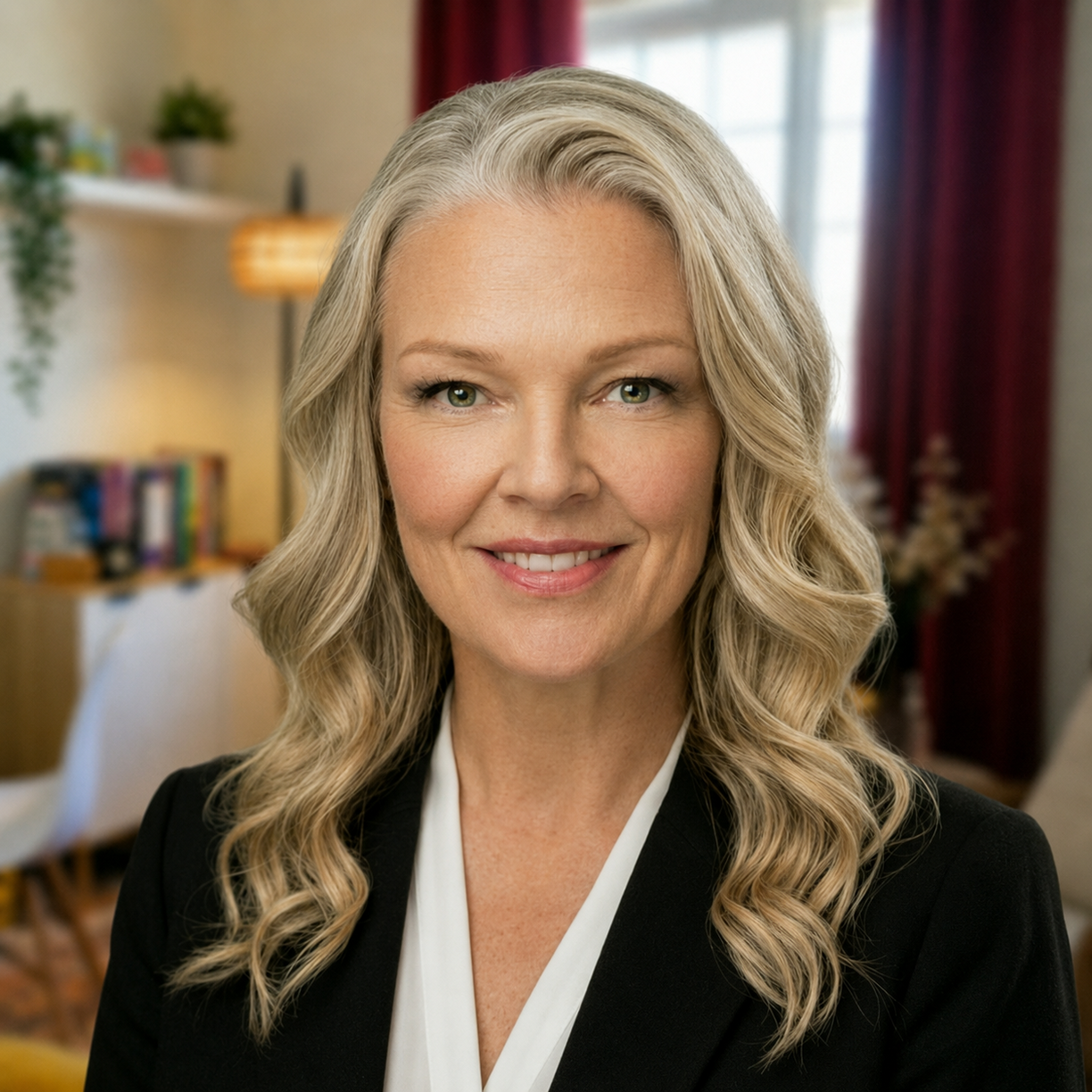
Marijke De Bruin shares her learning experience at VIU
Marijke De Bruin wanted an education program that went beyond theory and focused on practical, meaningful approaches to inclusive education. She found that in VIU’s Master of Education in Special Education program.
“As both an educator and the parent of neurodivergent children, I wanted to better understand how educational systems and instructional practices could support autistic and neurodivergent learners more effectively. VIU stood out because the course offerings felt deeply connected to real classroom practice,” says Marijke. “The courses emphasized not only understanding inclusive education conceptually but also developing practical strategies and skills that could be directly applied in educational settings.”
She was drawn to the program’s flexibility to explore topics connected to her own experiences and interests, including autism and neurodivergent learning profiles. The courses helped Marijke connect her lived experiences with research, instructional design and evidence-informed practice.
“VIU felt like a program that would give me the knowledge and perspective needed to meaningfully contribute to positive change in education,” says Marijke.
A highlight of Marijke’s time at VIU was developing her thesis project – Decode Science. The program encouraged her to think creatively about how research can translate into practical classroom support for students. Her thesis explored inclusive instructional design, neurodivergent learning, vocabulary development and cognitive load. The project helped Marijke connect her own experiences as an autistic learner with the work she hopes to do as an educator and researcher.
“I am especially grateful to my thesis supervisor, Professor Emily Baker, whose encouragement, enthusiasm and guidance were invaluable throughout the development of my thesis project,” says Marijke.
An unexpected but enjoyable part of the process was learning to code.
“I had always viewed coding as something intimidating and almost like learning another language, so I was surprised by how naturally it clicked for me. There is still something amazing about writing code and watching it come to life on a screen,” she says. “Developing Decode Science helped me realize how technology and instructional design can work together to make learning more accessible for students.”
Marijke took a non-traditional path through education and says pursuing graduate studies was a significant achievement for her. She didn’t graduate from high school in her teens and says for many years university did not feel accessible to her. But she returned to school, upgraded courses and earned diplomas and degrees while raising a family and building a career.
“In many ways, this program helped me realize that some of the struggles I experienced earlier in life could be transformed into something meaningful – into work that may help students who learn and think the way I do,” says Marijke. “This program reminded me that the world is wide open and that learning can continue in many unexpected directions. If graduate school taught me anything, it’s that some of the most meaningful opportunities are the ones you never originally planned for. I’m excited to see where the next stage of the journey leads.”
Marijke wants to continue developing both professionally and creatively before beginning a professional doctorate in education. She also plans to continue building Decode Science and expand into assessment work and web design. She enjoys creating practical tools and resources that connect research, instructional design and accessibility.
Her advice for other graduate students is to make use of their professors’ office hours, even when they don't need help with course material. Some of her most meaningful learning experiences came from conversations with instructors outside of class, where she could explore ideas, ask questions and connect course content to real-world experiences.
“I had taken online courses before beginning this program and often felt disconnected from the learning experience, but that was never how I felt during my graduate studies at VIU,” she said.
Looking back, Marijke says she would trust her own ideas more and the way she thinks.
“I would tell my first-year self to grab the experience with both hands, lean into curiosity and allow myself to enjoy the journey instead of starting it with second-guessing whether I belonged there,” she says.
Learn more during the Master of Education info session on November 12.
Related Posts


